
Freezer & Cooler
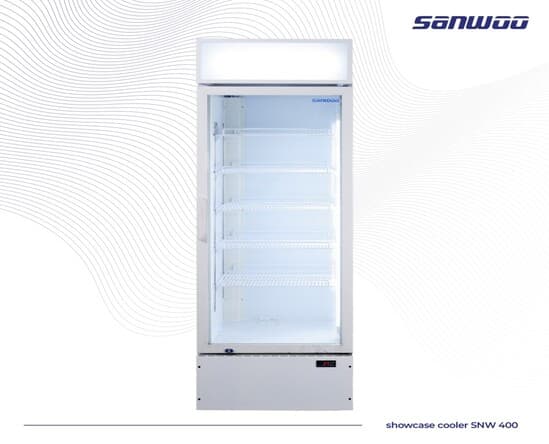
In recent years, inverter technology in freezers has become a hot topic in the home appliance industry. This technology offers better energy efficiency, optimal performance, and a longer lifespan compared to conventional freezers.
This article will provide an in-depth discussion of what inverter technology is, how it works, its benefits, and the differences between inverter and non-inverter freezers.
What is Inverter Technology?
Inverter technology is an innovation in motor control systems that allows for more flexible speed and power adjustments. In freezers, this technology regulates the compressor to work dynamically according to the required temperature.
Unlike conventional systems that operate at a fixed speed—resulting in higher energy consumption—inverter technology enables freezers to operate efficiently without compromising performance. This system helps maintain a stable internal temperature, which is crucial for food storage.
How Does Inverter Technology Work in Freezers?
To understand how inverter technology works, it is essential to know the role of the compressor in a freezer. The compressor regulates the circulation of refrigerant, which absorbs heat from inside the freezer.
In non-inverter freezers, the compressor follows an "on-off" pattern, meaning it turns on when cooling is needed and turns off once the desired temperature is reached.
On the other hand, in inverter freezers, the compressor operates at variable speeds. When the internal temperature starts to rise, the compressor increases its performance to lower the temperature. Once the temperature stabilizes, it runs at a lower speed to maintain the cold environment. This process not only saves energy but also reduces noise levels.
Benefits of Inverter Technology in Freezers
Using inverter technology in freezers provides numerous advantages. Here are some of the key benefits:
1. Better Energy Efficiency
Inverter freezers can reduce energy consumption by 30-50% compared to conventional freezers. This makes them an environmentally friendly and cost-effective choice in the long run.
2. Stable Performance
The temperature inside an inverter freezer remains more stable since the compressor operates continuously at adjusted speeds. This stability is crucial for preserving food quality, especially for items sensitive to temperature fluctuations.
3. Lower Noise Levels
Since the compressor does not frequently turn on and off, inverter freezers produce significantly less noise. This makes them ideal for households that prioritize a quiet environment.
4. Longer Lifespan
By operating dynamically, the compressor in an inverter freezer experiences less strain compared to traditional compressors. As a result, its components tend to last longer.
5. Faster Cooling Process
Inverter technology enables faster cooling when necessary. For example, after loading the freezer with new food items, the temperature can be lowered quickly to preserve food quality.
How to Choose a Freezer with Inverter Technology
When deciding to buy an inverter freezer, consider the following factors:
Challenges and Drawbacks of Inverter Technology in Freezers
Although inverter technology offers many advantages, there are some challenges to consider:
As awareness of energy efficiency and environmental sustainability increases, inverter technology is expected to continue evolving. Appliance manufacturers are now competing to introduce the latest innovations that enhance performance and efficiency.
Conclusion
Inverter technology in freezers represents a significant advancement in home appliances. With benefits such as energy efficiency, stable performance, and a longer lifespan, inverter freezers are a smart choice for modern households.
While they may have a higher initial price, their long-term advantages far outweigh the initial investment. If you are looking for a reliable, energy-efficient, and environmentally friendly food storage solution, an inverter freezer is the way to go.
Delivery
Discount
Warranty
Support
