
Freezer & Cooler
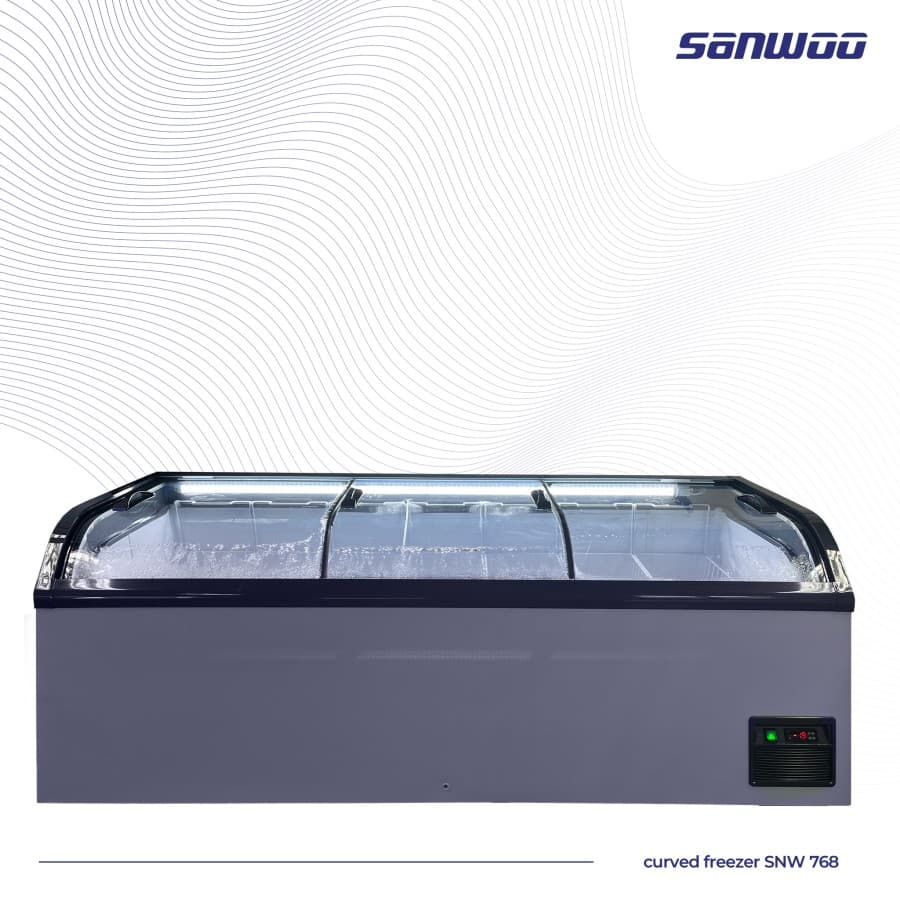
A freezer that isn’t cooling properly can be a frustrating issue. This problem not only affects the quality of your stored food but may also indicate an underlying issue with the appliance.
Understanding the causes of a freezer not cooling can help you troubleshoot and address the problem effectively.
In this article, we’ll explore the common reasons why a freezer might stop cooling and provide solutions to fix it.
Why Is Your Freezer Not Cooling?
Freezers are essential for preserving food, and when they malfunction, it can lead to food spoilage and inconvenience. Let’s dive into some common causes:
How to Diagnose a Freezer That’s Not Cooling
Diagnosing the problem requires a systematic approach. Follow these steps to identify the cause:
1. Check the Power Supply
Ensure the freezer is properly plugged in and receiving power. Test the outlet by plugging in another appliance to confirm functionality.
2. Inspect the Thermostat
Verify that the thermostat is set to the correct temperature, typically -18°C for freezers. Adjust if necessary and observe if the cooling improves.
3. Examine the Door Gasket
Look for cracks, tears, or warping in the door gasket. Close the door and check for gaps where cold air might escape. Replace the gasket if damaged.
4. Clean the Condenser Coils
Locate the condenser coils, usually found at the back or bottom of the freezer. Clean them with a vacuum or brush to remove dust and dirt.
5. Assess Airflow
Ensure that the air vents inside the freezer are not blocked by food items. Rearrange the contents to allow proper airflow.
6. Listen for Fan Operation
When the freezer is running, listen for the sound of the evaporator fan. If it’s silent or making unusual noises, it may need replacement.
7. Inspect for Frost Buildup
Open the freezer and look for excessive frost on the walls or coils. This could indicate a problem with the defrost system.
8. Check for Refrigerant Leaks
If the freezer isn’t cooling despite other components functioning correctly, it might have a refrigerant leak. This requires professional repair.
9. Test the Compressor
The compressor is the heart of the cooling system. Listen for a humming noise when the freezer is running. If it’s silent or overheating, it may need servicing.
10. Evaluate the Appliance’s Age
If your freezer is over 10 years old, its efficiency may have declined. Consider whether repairs or replacement is more cost-effective.
Tips to Prevent Freezer Cooling Issues
Preventive maintenance can save you from dealing with cooling problems in the future. Here are some tips:
Common Mistakes to Avoid
When dealing with a freezer that’s not cooling, avoid these errors:
Conclusion
A freezer that doesn’t cool properly can be caused by various factors, ranging from simple fixes like cleaning the coils to more complex issues like refrigerant leaks.
By following the steps outlined above, you can diagnose and address most problems effectively.
Regular maintenance and proper use are key to keeping your freezer in optimal condition.
If the problem persists, don’t hesitate to seek professional assistance to ensure the longevity of your appliance.
Delivery
Discount
Warranty
Support
